Pulmonary Fibrosis: Symptoms, Causes, Diagnosis & Treatment
Pulmonary fibrosis is a condition in which lung tissue becomes scarred and stiff. As the lung tissue becomes less flexible, breathing may become more difficult and the lungs may not work as efficiently as they normally do.
Symptoms can develop gradually and may include persistent dry cough, shortness of breath and reduced ability to perform physical activities.
If you have ongoing breathing difficulties or unexplained respiratory symptoms, evaluation by a qualified lung specialist in Varanasi can help determine the possible cause and appropriate next steps.
What Is Pulmonary Fibrosis?
Pulmonary fibrosis refers to scarring of the lung tissue. The scar tissue can make the lungs stiffer and may interfere with normal breathing and oxygen transfer.
Pulmonary fibrosis can occur as part of different lung conditions. In some people, a specific cause may be identified, while in others the cause may remain unknown.
What Are the Symptoms of Pulmonary Fibrosis?
Pulmonary fibrosis symptoms can vary from person to person. They may develop gradually and become more noticeable over time.
Common symptoms may include:
- Persistent dry cough
- Shortness of breath
- Breathlessness during physical activity
- Tiredness or fatigue
- Reduced exercise tolerance
- Unexplained weight loss in some patients
Persistent or worsening symptoms should be medically evaluated rather than being attributed only to ageing, seasonal changes or minor respiratory infections.
What Causes Pulmonary Fibrosis?
Pulmonary fibrosis can have several possible causes. In some cases, the underlying cause can be identified, while in other cases it may not be clear.
Possible factors associated with pulmonary fibrosis include:
- Certain autoimmune or connective tissue diseases
- Long-term exposure to certain dusts or occupational substances
- Certain medications
- Previous lung injury or infection in some cases
- Smoking and other environmental exposures may contribute to some forms of lung disease
- Unknown causes in cases classified as idiopathic
The cause of lung scarring should be evaluated by a doctor because different underlying conditions may require different management approaches.
Who May Be at Higher Risk?
The risk of pulmonary fibrosis may vary depending on the underlying cause.
People with certain autoimmune conditions, occupational exposures, a history of specific medications or other lung-related risk factors may require medical evaluation if they develop persistent respiratory symptoms.
How Is Pulmonary Fibrosis Diagnosed?
Diagnosing pulmonary fibrosis usually requires a combination of medical history, physical examination and appropriate investigations.
The doctor may recommend different tests depending on the symptoms and suspected cause.
1. High-Resolution CT Scan
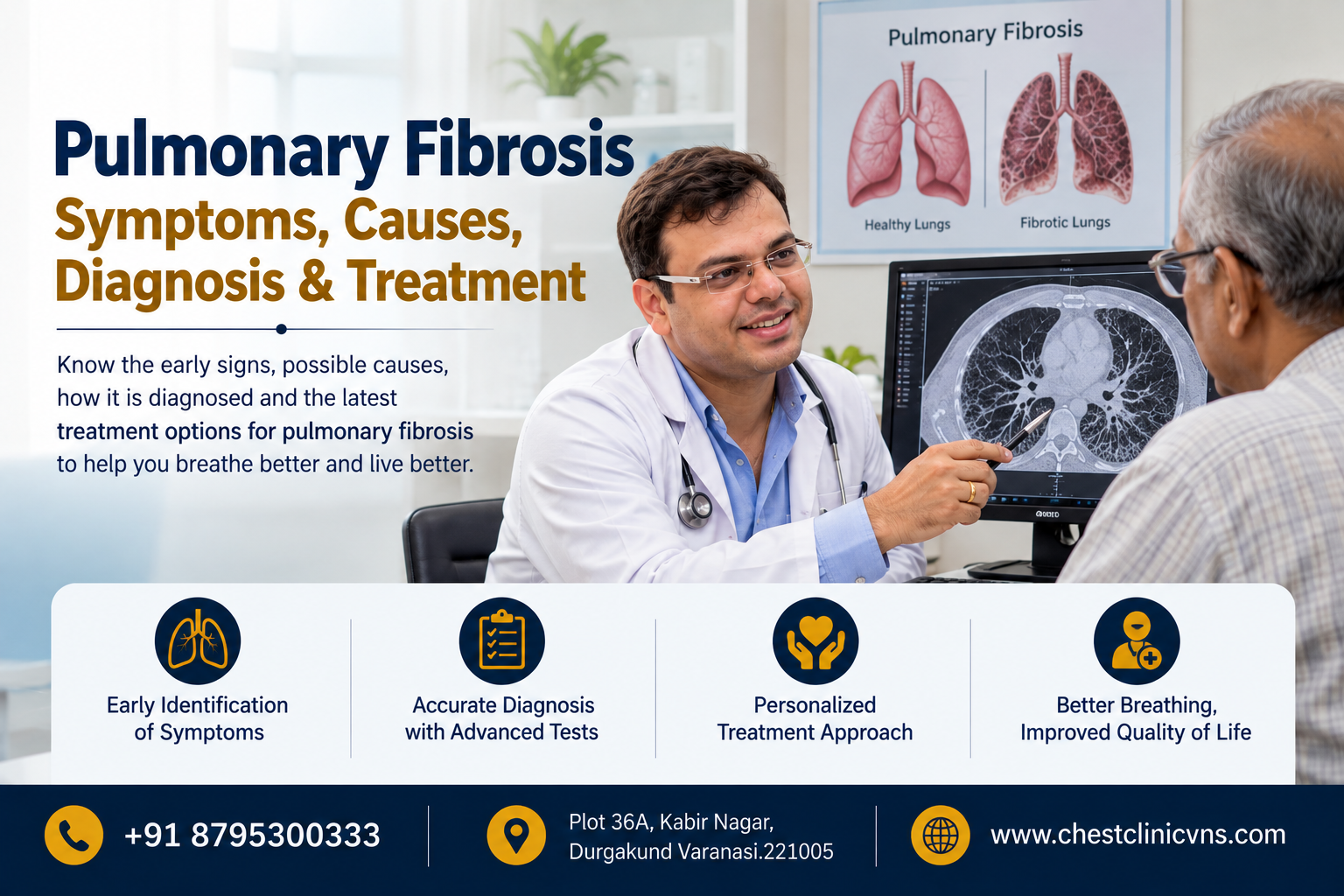
A high-resolution CT scan of the chest can provide detailed images of the lung tissue and may help identify patterns of lung scarring.
2. Pulmonary Function Test
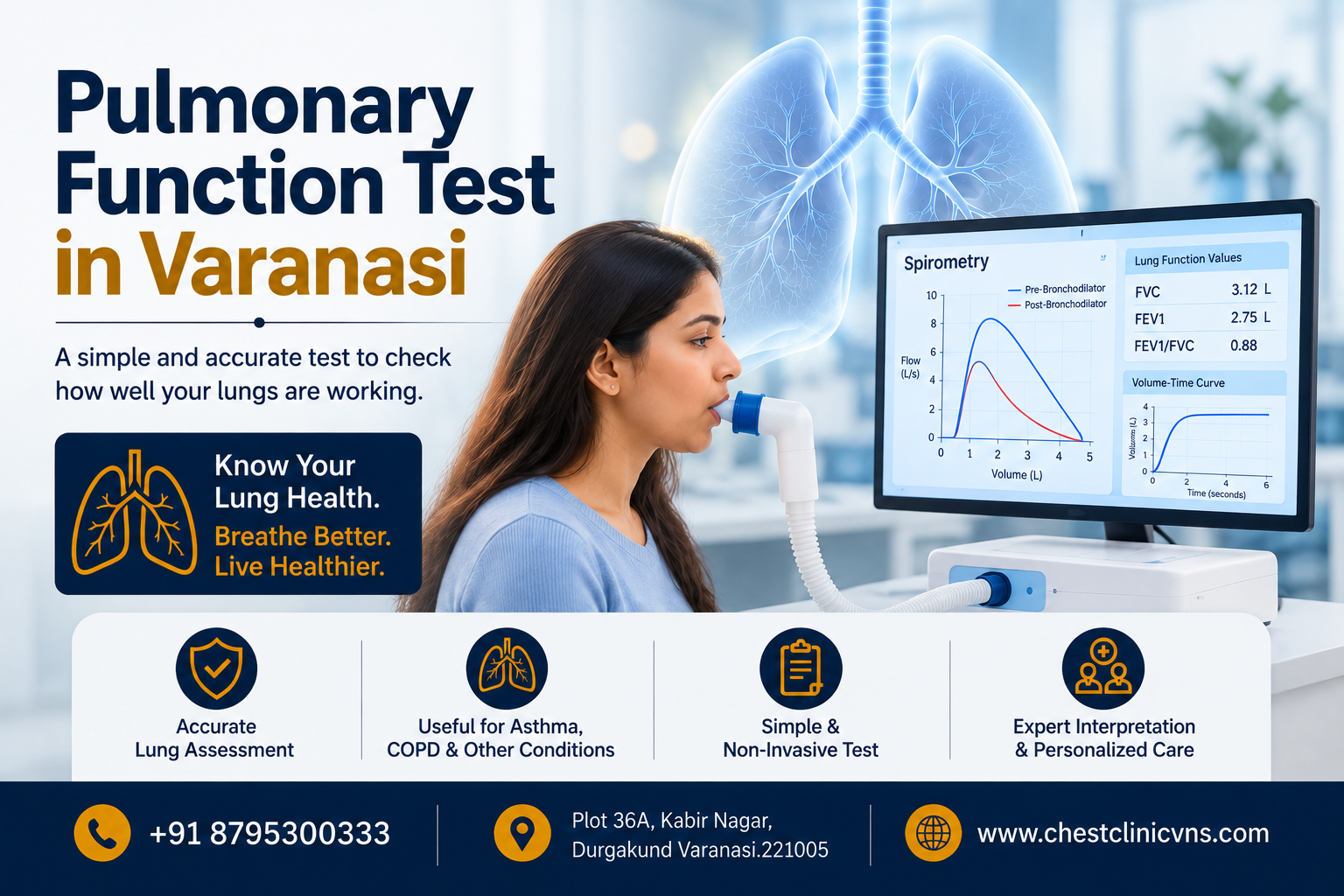
A Pulmonary Function Test (PFT) can help assess lung function. Different measurements can provide information about airflow and other aspects of how the lungs are working.
3. Blood Tests
Blood tests may be recommended when the doctor is assessing whether an autoimmune disease, inflammation or another underlying condition could be associated with lung changes.
4. Other Investigations
Depending on the clinical situation, additional investigations may be recommended to establish the diagnosis or determine the underlying cause.
Pulmonary Fibrosis Treatment
Pulmonary fibrosis treatment depends on the underlying cause, type of lung disease, symptoms, lung function and overall health.
Treatment is individualized and should be planned by a qualified respiratory specialist.
Medicines
Depending on the type of pulmonary fibrosis and the underlying cause, a doctor may consider medicines that are appropriate for the patient's condition.
Medicines should only be started, stopped or changed under medical guidance.
Managing the Underlying Condition
When pulmonary fibrosis is associated with an autoimmune or other underlying condition, treatment may also focus on managing that condition.
Pulmonary Rehabilitation
Some patients may benefit from pulmonary rehabilitation. It may include supervised physical activity, breathing techniques, education and other supportive measures.
Oxygen Therapy
Some people with advanced lung disease may require supplemental oxygen if their oxygen levels are low. The need for oxygen should be assessed by a healthcare professional.
Regular Follow-Up
Regular follow-up may be recommended to monitor symptoms, lung function and changes in the condition over time.
Can Pulmonary Fibrosis Be Cured?
Pulmonary fibrosis involves scarring of lung tissue. The outlook and treatment options vary depending on the specific type and cause.
Some forms can be managed by treating the underlying cause and controlling disease progression, while other forms require long-term specialist care.
Your doctor can explain the expected course of the condition based on your individual diagnosis and clinical findings.
Lifestyle and Lung Care
People with pulmonary fibrosis may be advised to take steps that support overall respiratory health.
- Avoid smoking and tobacco smoke.
- Reduce exposure to dust, fumes and other respiratory irritants.
- Follow the treatment plan provided by your doctor.
- Attend recommended follow-up appointments.
- Maintain appropriate physical activity according to your doctor's advice.
- Discuss vaccinations and infection-prevention measures with your healthcare professional.
When Should You See a Lung Specialist?
You should consider consulting a lung specialist if you experience persistent or worsening respiratory symptoms, particularly:
- Ongoing shortness of breath
- Persistent dry cough
- Breathlessness during routine activities
- Reduced exercise tolerance
- Unexplained changes in breathing
- Respiratory symptoms that gradually worsen
Pulmonary Fibrosis Treatment in Varanasi
If you are searching for pulmonary fibrosis treatment in Varanasi , a detailed respiratory evaluation can help identify the possible cause of symptoms and determine which investigations may be appropriate.
At Samaria Multi-Speciality & Chest Centre , patients can seek evaluation for various respiratory and lung-related conditions.
Pulmonary function testing and other respiratory diagnostic services may be used as part of the evaluation when clinically appropriate.
To learn more about available respiratory services, visit: Respiratory Care .
Need Evaluation for Breathing Problems?
Persistent breathlessness or dry cough should not be ignored. Consult a chest specialist for appropriate evaluation.
📞 Call +91 8795300333 Book AppointmentFrequently Asked Questions About Pulmonary Fibrosis
1. What is pulmonary fibrosis?
Pulmonary fibrosis is a condition involving scarring of lung tissue. The scarring can make the lungs stiffer and may affect breathing.
2. What are the common symptoms of pulmonary fibrosis?
Persistent dry cough, shortness of breath, fatigue and reduced exercise tolerance can occur in people with pulmonary fibrosis.
3. How is pulmonary fibrosis diagnosed?
Diagnosis may involve medical history, physical examination, high-resolution CT imaging, pulmonary function testing and other investigations depending on the clinical situation.
4. Can pulmonary fibrosis be treated?
Treatment depends on the specific type and cause. Management may include appropriate medicines, treatment of an underlying condition, pulmonary rehabilitation and supportive care.
5. Can pulmonary fibrosis cause breathlessness?
Yes. Shortness of breath, particularly during physical activity, can be a common symptom of pulmonary fibrosis.
6. Is pulmonary fibrosis the same as ILD?
Pulmonary fibrosis refers to scarring of lung tissue, while interstitial lung disease (ILD) is a broader group of conditions that can affect the lung interstitium. Some ILDs can cause pulmonary fibrosis.
Conclusion
Pulmonary fibrosis can cause progressive changes in lung tissue and may lead to persistent cough, breathlessness and reduced exercise tolerance.
Because different conditions can cause lung scarring, appropriate medical evaluation is important for identifying the possible cause and deciding on suitable management.
If you have persistent dry cough, unexplained breathlessness or gradually worsening respiratory symptoms, consult a qualified lung specialist for proper evaluation and personalized medical advice.

Dr. J.K. Samaria
Senior Consultant Pulmonologist | Professor & Head, Chest Diseases, IMS BHU.