
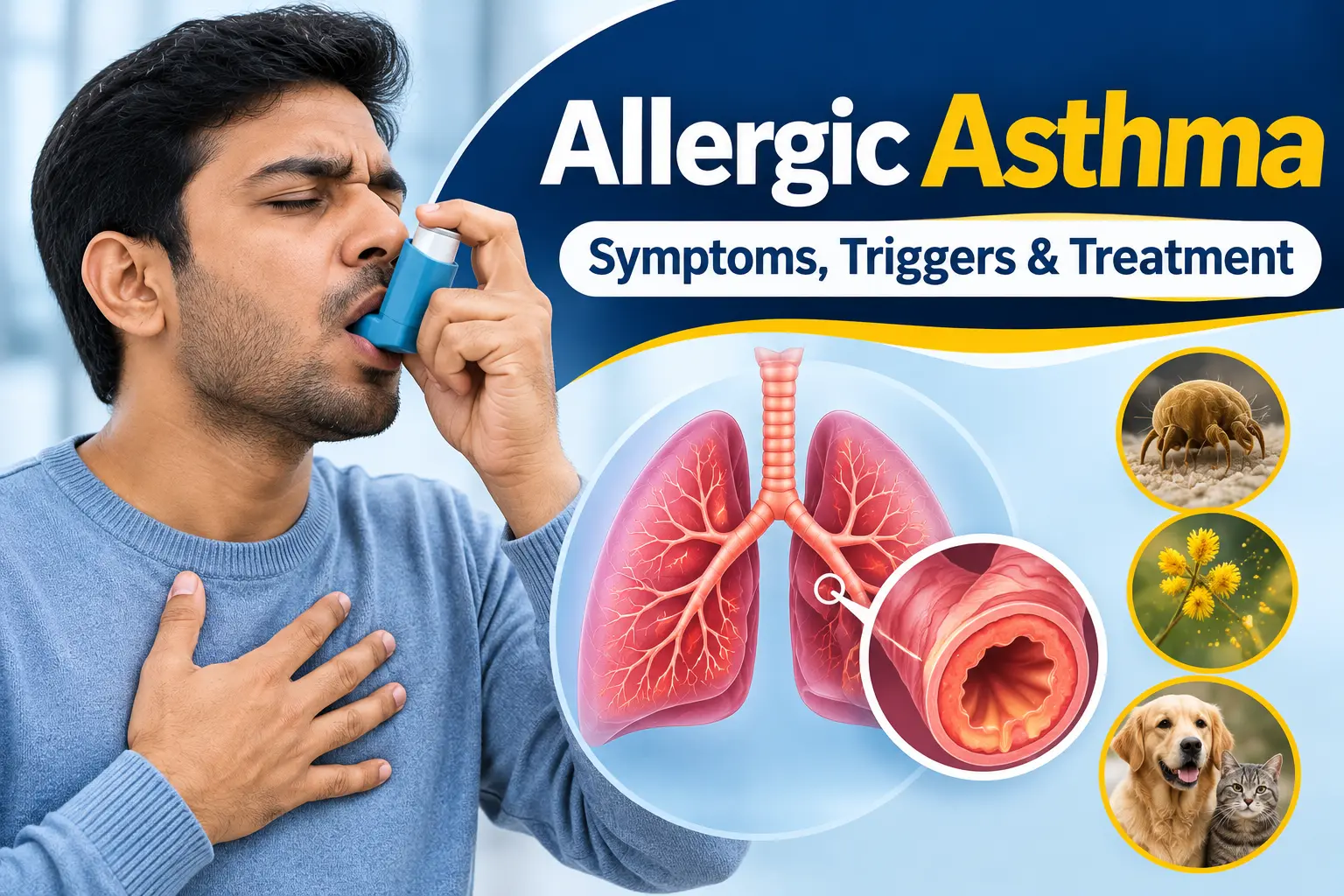
Allergic asthma is a form of asthma in which exposure to certain allergens triggers airway inflammation, wheezing, coughing, chest tightness and breathing difficulties. Common allergens include house dust mites, pollen, mould spores, cockroach allergens and proteins found in animal dander.
For some people, respiratory symptoms become noticeable while cleaning a room, handling dusty bedding, visiting a garden or spending time around animals. Others experience recurring coughing and wheezing during particular seasons.
These patterns can provide useful clues about allergic asthma, but symptoms alone cannot establish the diagnosis. Asthma requires appropriate clinical evaluation and, whenever possible, objective evidence of variable airflow limitation.
Residents of Varanasi may encounter a combination of indoor allergens, road dust, vehicle emissions, construction particles and seasonal environmental changes. Understanding the difference between allergens and respiratory irritants can help patients manage exposure more effectively.
What Is Allergic Asthma in Simple Words?
Allergic asthma occurs when the immune system responds to an allergen and contributes to inflammation and narrowing of the airways. Although asthma is a chronic condition, appropriate treatment and trigger management can help many people achieve good symptom control.
Emergency Warning
If someone with asthma has severe breathing difficulty, cannot speak comfortably, becomes confused or drowsy, develops bluish lips, or does not improve with their prescribed rescue treatment, seek emergency medical assistance immediately. Call 112 in India when urgent help is required.
- What Is Allergic Asthma?
- Allergic Asthma vs Non-Allergic Asthma
- Common Allergic Asthma Triggers
- Early Signs and Symptoms
- Dust and Pollution in Varanasi
- Allergic Asthma in Children
- Why Asthma Gets Worse at Night
- How Is Allergic Asthma Diagnosed?
- Allergy and Lung Function Testing
- Allergic Asthma Treatment Options
- Prevention and Daily Management
- Emergency Warning Signs
- When to Consult a Chest Specialist
- Frequently Asked Questions
What Is Allergic Asthma?
Asthma is a chronic respiratory condition characterised by variable airway symptoms and airflow limitation. Allergic asthma is a common asthma phenotype in which sensitisation to environmental allergens contributes to respiratory symptoms.
An allergen is a substance that is usually harmless to most people but can trigger an immune response in sensitised individuals. When someone with allergic asthma encounters a relevant allergen, their immune response may contribute to inflammation within the bronchial airways.
The muscles surrounding the airways may tighten, the airway lining may become swollen, and mucus production may increase. These changes can make breathing more difficult.
What Happens Inside the Lungs?
- Airway inflammation: Immune responses contribute to swelling of the bronchial lining.
- Bronchoconstriction: Muscles surrounding the airways tighten and reduce the available space for airflow.
- Mucus production: Additional mucus may contribute to coughing and airway obstruction.
- Airway sensitivity: Airways become more responsive to environmental exposures and other triggers.
Symptoms may improve between episodes, which sometimes leads patients to believe that their asthma has disappeared. However, underlying airway inflammation and the possibility of future attacks can remain even when symptoms are temporarily absent.
Long-term asthma management therefore focuses on both current symptom control and reducing future risks, including severe asthma exacerbations.
Allergic Asthma vs Non-Allergic Asthma
Allergic and non-allergic asthma can produce similar breathing symptoms. The main distinction concerns the factors associated with airway inflammation and the relationship between allergen exposure and symptoms.
| Feature | Allergic Asthma | Non-Allergic Asthma |
|---|---|---|
| Common associated triggers | Dust mites, pollen, mould and animal allergens | Viral infections, irritants, cold air and other factors |
| Allergy sensitisation | Often identifiable and clinically relevant | May not demonstrate relevant allergic sensitisation |
| Age of onset | Frequently starts during childhood, but may develop later | May develop at any age |
| Associated conditions | Allergic rhinitis or eczema may coexist | Allergic disorders may be absent |
| Diagnosis | Asthma evaluation with selected allergy investigations | Asthma evaluation and assessment of other triggers |
| Treatment | Asthma medication and relevant allergen management | Asthma medication and individualised trigger management |
The distinction is not always absolute. A person with allergic asthma may also experience symptoms when exposed to smoke, pollution, exercise or respiratory infections.
Treatment decisions should therefore consider the patient's overall asthma control rather than relying only on whether the condition is classified as allergic or non-allergic.
Common Causes and Triggers of Allergic Asthma
Allergic asthma can be influenced by genetic susceptibility, immune sensitisation and environmental exposure. The allergens responsible for symptoms vary considerably between individuals.
1. House Dust Mites
Dust mites are microscopic organisms commonly found in bedding, upholstered furniture, carpets and other household fabrics. Proteins in their waste products and body fragments can trigger allergic responses in sensitised individuals.
People with dust mite allergy may notice symptoms while making their beds, cleaning mattresses or spending time in rooms containing accumulated dust.
Regular washing of bedding, appropriate mattress covers and measures to control indoor humidity may form part of an individualised allergen-reduction approach.
2. Pollen
Trees, grasses and other plants release pollen into the environment. Pollen can become airborne and enter the respiratory system during normal breathing.
People with pollen-related asthma may experience symptoms during certain seasons or after spending time outdoors. Seasonal nasal congestion, sneezing and itchy eyes may accompany respiratory symptoms.
3. Mould Spores
Mould can grow in damp indoor environments, particularly in areas affected by leaks, condensation or inadequate ventilation.
Airborne mould spores may contribute to asthma symptoms in sensitised individuals. Addressing moisture problems and maintaining appropriate ventilation are important steps in reducing exposure.
4. Animal Allergens
Proteins found in animal skin flakes, saliva and urine can trigger allergic reactions. Animal hair itself is not usually the primary allergen, although it can carry allergenic particles.
Animal allergens may remain on clothing, furniture and other surfaces even after an animal leaves the room.
5. Cockroach Allergens
Proteins associated with cockroach body fragments and waste can contribute to allergic asthma in sensitised people.
Proper food storage, regular cleaning and integrated pest management may help reduce indoor exposure without unnecessarily increasing exposure to irritating chemical sprays.
6. Smoke and Air Pollution
Tobacco smoke, vehicle exhaust, incense smoke and fine airborne particles are generally respiratory irritants rather than allergens.
However, these exposures can aggravate airway inflammation and provoke asthma symptoms, including in people with allergic asthma.
7. Workplace Exposures
Certain occupations involve exposure to substances such as flour dust, wood dust, animal proteins and industrial chemicals. These exposures can cause or aggravate asthma in some workers.
Symptoms that regularly worsen during working hours and improve on holidays should be discussed with a respiratory specialist.
Are All Asthma Triggers Allergens?
No. Allergens can activate specific immune responses, while irritants such as cigarette smoke, chemical fumes and air pollution can provoke symptoms without a specific allergic reaction. Both types of exposure may affect asthma control.
Early Signs and Symptoms of Allergic Asthma
Asthma symptoms frequently vary in intensity and may occur in episodes. Some patients experience occasional symptoms, while others have persistent problems that interfere with daily activities.
- Wheezing: A whistling sound heard during breathing, especially when breathing out.
- Persistent cough: Coughing may occur after allergen exposure, during exercise or at night.
- Shortness of breath: Difficulty breathing during physical activity or other situations.
- Chest tightness: A sensation of pressure or constriction in the chest.
- Night-time awakening: Sleep disruption caused by coughing or breathing difficulties.
- Reduced activity tolerance: Difficulty completing activities that were previously comfortable.
Associated Allergy Symptoms
People with allergic asthma may also experience allergic rhinitis, sometimes called hay fever.
Associated symptoms can include repeated sneezing, itchy eyes, a runny nose, nasal congestion and irritation of the throat.
Although these symptoms may coexist with asthma, nasal allergies alone do not prove that a person has asthma.
Recognising Changes in Asthma Control
A person whose symptoms are becoming more frequent, who wakes during the night or who increasingly needs their prescribed reliever medication should arrange a medical review.
The absence of wheezing does not necessarily mean asthma is mild. In a severe attack, airflow may become so restricted that very little wheezing is audible.
Can Dust and Air Pollution Worsen Asthma in Varanasi?
People living in urban areas such as Varanasi can encounter several environmental exposures during their daily routines, including construction dust, road particles, vehicle emissions and household smoke.
These exposures may aggravate asthma in susceptible individuals. Their effect varies according to the concentration of pollutants, duration of exposure, existing asthma control and individual sensitivity.
During Winter
Cold air, respiratory infections and periods of poor air quality may contribute to worsening asthma symptoms. Patients should monitor local air quality information and discuss seasonal management with their treating doctor.
During Summer
Dry conditions can increase exposure to airborne dust. Certain plants may also release pollen that affects sensitised individuals.
During Monsoon
Increased indoor moisture may encourage mould growth in poorly ventilated rooms. Checking for damp walls, water leaks and persistent condensation can help identify potential indoor environmental problems.
Practical Steps for Daily Travel
When air quality is poor, consider reducing prolonged outdoor exposure and avoiding strenuous activities near heavy traffic. A well-fitting particulate respirator may reduce inhalation of airborne particles when tolerated, although it does not eliminate exposure to gases or every asthma trigger.
These measures complement, rather than replace, prescribed asthma medication.
Patients experiencing recurring respiratory symptoms can explore the clinic's respiratory care services in Varanasi for information about appropriate assessment.
Allergic Asthma in Children
Allergic asthma can develop during childhood, particularly in children with a personal or family history of allergic conditions.
Parents may notice recurring coughing, wheezing or breathing difficulties after outdoor play, during respiratory infections or after exposure to particular environmental substances.
Possible Warning Signs in Children
- Frequent coughing during the night.
- Wheezing during physical activity.
- Difficulty keeping up with other children during play.
- Repeated episodes of breathing difficulty.
- Respiratory symptoms associated with particular environments.
- Recurring symptoms alongside eczema or nasal allergies.
Not every child who wheezes has asthma. Viral infections and other childhood respiratory conditions can produce similar symptoms.
A child's age, clinical history, symptom pattern and ability to perform lung function tests influence the diagnostic approach.
Children should receive age-appropriate treatment and instruction in the correct use of inhalers and spacers when prescribed. Parents, caregivers and school staff should understand the child's personalised asthma action plan.
Why Does Allergic Asthma Get Worse at Night?
Night-time asthma symptoms may be influenced by several factors, including natural changes in airway function during sleep, bedroom allergen exposure and inadequate overall asthma control.
Bedroom Allergen Exposure
Dust mite allergens can accumulate in pillows, mattresses and bedding. Patients who are sensitised may notice respiratory symptoms associated with these environments.
Nasal Allergies
Nasal congestion and upper airway inflammation may contribute to disturbed sleep and respiratory discomfort.
Other Medical Conditions
Gastro-oesophageal reflux and obstructive sleep apnoea can sometimes coexist with asthma and contribute to night-time symptoms.
Recurring night-time coughing or wheezing is a reason to review asthma control with a healthcare professional rather than simply increasing medication without guidance.
How Is Allergic Asthma Diagnosed?
Diagnosing allergic asthma involves establishing whether a patient has asthma and evaluating whether allergic sensitisation is relevant to their symptoms.
A positive allergy test alone does not establish that asthma is present or that the identified allergen is responsible for breathing difficulties.
1. Medical History
The doctor may ask about symptom frequency, duration, seasonal variation, environmental exposures, previous inhaler use and a personal or family history of allergic conditions.
Information about symptoms at home, at work and during physical activity can help identify useful patterns.
2. Physical Examination
A clinical examination may include listening to the lungs, assessing respiratory symptoms and examining for signs of associated nasal allergies.
A normal examination between episodes does not rule out asthma.
3. Spirometry
Spirometry measures the amount and speed of air that a person can breathe out. It can help identify airflow limitation and assess whether airflow improves following administration of a bronchodilator.
If initial results are normal but asthma remains suspected, further assessment or repeat testing may be considered.
4. Peak Expiratory Flow Monitoring
Peak flow measurements taken over time can help identify variability in airflow. Some patients may also use a peak flow meter as part of an individualised asthma action plan.
5. Additional Investigations
Depending on the clinical situation, a doctor may consider exhaled nitric oxide testing, selected blood investigations, bronchial challenge testing or other assessments.
Chest imaging is not routinely required to establish uncomplicated asthma but may be useful when an alternative diagnosis is suspected.
Learn more about pulmonary function testing in Varanasi and the role of lung function measurement in respiratory care.
Allergy Testing and Pulmonary Function Tests
Allergy investigations can help identify sensitisation to particular environmental allergens. Results must be interpreted alongside the patient's symptoms and clinical history.
Skin Prick Testing
Skin prick testing involves controlled exposure of the skin to small amounts of selected allergen extracts. The resulting skin response may help determine allergic sensitisation.
The test should be performed and interpreted by appropriately trained healthcare professionals.
Specific IgE Blood Testing
Specific immunoglobulin E testing can identify antibodies directed against selected allergens. It may be considered when clinically appropriate.
A positive result indicates sensitisation but does not automatically establish a clinically important allergy.
Blood Eosinophil Count
Eosinophils are immune cells that may be associated with certain inflammatory asthma phenotypes. Blood eosinophil measurements can provide additional information in selected patients.
Eosinophil counts alone cannot establish an asthma diagnosis.
Why Lung Function Testing Is Important
Allergy testing assesses aspects of allergic sensitisation, whereas pulmonary function tests evaluate how the lungs work.
Both types of information may be useful when determining the relationship between asthma and environmental exposures.
Does a Positive Allergy Test Mean You Have Asthma?
No. A person may have allergic sensitisation without asthma. A respiratory assessment is required to determine whether symptoms are consistent with asthma and whether objective lung function findings support the diagnosis.
Allergic Asthma Treatment Options
Asthma treatment aims to control respiratory symptoms, maintain normal activities and reduce the risk of future attacks.
Treatment should be individualised according to age, symptom frequency, exacerbation history, lung function and associated medical conditions.
1. Inhaled Corticosteroids
Inhaled corticosteroids help reduce airway inflammation and are a central component of asthma management. Appropriate inhaled corticosteroid-containing treatment reduces the risk of severe asthma exacerbations.
Patients should follow their prescribed treatment plan even when symptoms improve unless their treating doctor advises otherwise.
2. Reliever Inhalers
Reliever inhalers are used according to a patient's prescribed asthma plan to manage symptoms.
For many adults and adolescents, an inhaled corticosteroid-formoterol regimen may be appropriate. Other age-appropriate treatment approaches may use different combinations of controller and reliever medicines.
Not every inhaler is suitable for immediate symptom relief. Patients should understand which of their prescribed medicines is intended for emergency or symptom-relief use.
3. Combination Inhalers
Some asthma inhalers combine an inhaled corticosteroid with a long-acting bronchodilator. These medicines may be prescribed when additional symptom control is needed.
Long-acting beta agonists should not be used without inhaled corticosteroid treatment in asthma.
4. Leukotriene Receptor Antagonists
Selected patients may receive additional medicines that act on inflammatory pathways associated with asthma.
The suitability and possible adverse effects of these medicines, including potential mood and behaviour changes associated with montelukast, should be discussed with the treating doctor.
5. Management of Allergic Rhinitis
Treating associated nasal allergies may help improve nasal symptoms, comfort and sleep quality.
Antihistamines or nasal corticosteroids may be recommended where appropriate, but they do not replace asthma controller medication.
6. Allergen Immunotherapy
Allergen immunotherapy involves controlled exposure to a specific allergen over time. It may be considered for selected patients with clinically relevant sensitisation under specialist supervision.
It is not suitable for every patient and should not be initiated in people with uncontrolled asthma without appropriate specialist assessment.
7. Biological Therapies
Certain patients with severe asthma may be eligible for targeted biological treatments after specialist assessment.
These medicines target specific immune pathways and are generally considered when asthma remains uncontrolled despite appropriate standard treatment and evaluation.
8. Correct Inhaler Technique
Incorrect inhaler technique can reduce the amount of medication reaching the airways.
Different inhaler devices require different breathing techniques. Patients should demonstrate their inhaler technique during medical reviews so that healthcare professionals can identify and correct errors.
9. Personalised Asthma Action Plan
A written asthma action plan helps patients recognise changes in their symptoms, understand how to use prescribed medication and know when urgent medical attention is required.
The plan should explain the patient's regular treatment, what to do when asthma worsens and when to seek emergency care.
Prevention and Daily Management of Allergic Asthma
Although allergic asthma cannot always be prevented, appropriate treatment and practical environmental measures may help reduce symptoms and the likelihood of exacerbations.
Reduce Relevant Indoor Allergen Exposure
- Wash bedding regularly and use suitable allergen-resistant covers when recommended.
- Clean surfaces using methods that minimise airborne dust.
- Address damp walls, condensation and water leaks.
- Use appropriate ventilation when outdoor air conditions permit.
- Keep food stored securely to reduce pest exposure.
- Avoid tobacco smoke inside living areas.
- Discuss pet-related exposure when clinically relevant sensitisation is identified.
Environmental measures work best when they address allergens that are genuinely relevant to the individual. Purchasing expensive equipment or making major household changes is not always necessary.
Monitor Outdoor Air Quality
Local air quality information can help patients make informed decisions about prolonged outdoor activities during periods of increased pollution.
People with asthma should not automatically avoid all physical activity. Regular exercise can support overall health when asthma is appropriately managed.
Maintain Treatment Adherence
Take controller medication according to the prescribed schedule. Running out of an inhaler or discontinuing treatment because symptoms have temporarily improved can undermine asthma control.
Keep Track of Symptoms
Recording night-time symptoms, activity limitation, reliever use and changes in breathing can help patients and healthcare professionals evaluate asthma control.
Discuss Vaccination and Respiratory Infections
Respiratory infections can trigger asthma exacerbations. Patients should discuss recommended vaccinations and infection prevention measures according to their age and medical circumstances.
When Is an Allergic Asthma Attack an Emergency?
Asthma attacks can become dangerous when airway narrowing significantly interferes with breathing.
The severity of an attack cannot always be judged by the amount of wheezing. A person may need urgent treatment even when wheezing is not prominent.
Seek Emergency Medical Care Immediately If:
- Breathing becomes severely difficult or rapidly worsens.
- The person cannot speak in full sentences because of breathlessness.
- There is confusion, unusual drowsiness or exhaustion.
- Lips or skin appear blue or grey.
- Prescribed rescue medication does not provide the expected relief.
- There are signs of severe breathing effort, especially in a child.
Follow the patient's prescribed emergency asthma action plan and obtain emergency medical assistance. Do not wait for a scheduled outpatient consultation.
Asthma vs Severe Allergic Reaction
Breathing difficulty that develops suddenly alongside throat swelling, tongue swelling, widespread hives or faintness after exposure to a possible allergen may indicate anaphylaxis.
Anaphylaxis requires immediate emergency treatment. Use prescribed emergency adrenaline if available and indicated by the person's emergency plan. An asthma inhaler is not a substitute for adrenaline in anaphylaxis.
When Should You Consult an Asthma Specialist in Varanasi?
Consider consulting a qualified healthcare professional if you experience repeated coughing, wheezing, chest tightness or breathing problems associated with environmental exposures.
An asthma review may also be appropriate if you have an existing diagnosis but continue to experience symptoms despite prescribed treatment.
What to Bring to Your Consultation
- Previous prescriptions and current inhaler devices.
- Available spirometry or lung function reports.
- Previous allergy test results.
- Information about recent respiratory infections.
- A record of recurring symptoms and suspected triggers.
- Details of previous asthma attacks or emergency visits.
Patients in Durgakund, Bhelupur, Lanka, BHU and surrounding areas can contact Samaria Multi-Speciality & Chest Centre for information about respiratory consultations and relevant investigations.
Explore the clinic's respiratory care services and pulmonary function testing to understand available assessment options.
Experiencing Recurring Wheezing or Allergy-Related Breathing Problems?
Appropriate respiratory assessment can help identify possible asthma symptoms, evaluate lung function and determine suitable management options.
Samaria Multi-Speciality & Chest Centre
Phone: +91 8795300333
Address: Plot 36A, Kabir Nagar, Durgakund, Varanasi - 221005
Book an AppointmentFor severe breathing difficulty or a suspected asthma emergency, seek immediate hospital-based emergency care.
Frequently Asked Questions About Allergic Asthma
1. What is allergic asthma?
Allergic asthma is a form of asthma in which exposure to relevant allergens contributes to airway inflammation, coughing, wheezing, chest tightness and breathing difficulties.
2. What are the most common allergic asthma triggers?
Common allergens include house dust mites, pollen, mould spores, animal allergens and cockroach allergens. The specific triggers differ between individuals.
3. Can allergic asthma be cured permanently?
There is currently no guaranteed permanent cure for asthma. However, appropriate treatment and trigger management can help many patients achieve good long-term symptom control.
4. Can dust allergy cause asthma?
House dust mite allergens can contribute to asthma symptoms in sensitised individuals. Having a dust allergy does not necessarily mean that a person has asthma.
5. Is allergic asthma hereditary?
Genetic factors can influence susceptibility to asthma and allergic conditions. Environmental exposure and other individual factors also contribute to its development.
6. Why does allergic asthma become worse at night?
Night-time symptoms may be influenced by bedroom allergens, natural changes in airway function during sleep and inadequate asthma control.
7. Can allergic asthma develop in adults?
Yes. Although allergic asthma frequently begins during childhood, it can also develop during adulthood.
8. Can air pollution trigger allergic asthma?
Air pollution can aggravate asthma symptoms and airway inflammation. Pollutants generally act as respiratory irritants rather than specific allergens.
9. Which test confirms allergic asthma?
Diagnosis usually involves clinical assessment, objective lung function testing and evaluation of relevant allergic sensitisation. No single allergy test confirms allergic asthma.
10. Are inhalers safe for allergic asthma?
Appropriately prescribed inhalers are an important part of asthma management. Their benefits, possible adverse effects and correct technique should be discussed with the treating doctor.
11. Can allergic asthma occur without wheezing?
Yes. Some patients primarily experience coughing, chest tightness or breathlessness. Medical evaluation is necessary because these symptoms can also occur with other conditions.
12. Can antihistamines replace asthma inhalers?
No. Antihistamines may help manage associated allergic symptoms, but they do not replace prescribed asthma controller or reliever medication.
13. Can children outgrow allergic asthma?
Some children experience improvement or remission as they grow older, while others continue to have symptoms or develop recurrent asthma later in life.
14. Is exercise safe for people with allergic asthma?
Many people with well-controlled asthma can exercise safely. An individualised treatment and activity plan can help manage exercise-related symptoms.
15. Which doctor treats allergic asthma in Varanasi?
A pulmonologist or chest specialist can evaluate asthma symptoms, assess lung function and recommend appropriate treatment. An allergy specialist may also assist with selected allergy-related concerns.
Conclusion
Allergic asthma is a chronic respiratory condition in which relevant environmental allergens contribute to airway inflammation and variable breathing symptoms.
Recognising symptom patterns, identifying clinically relevant allergens and obtaining appropriate lung function assessments are important steps in effective management.
Prescribed anti-inflammatory treatment, correct inhaler technique, practical trigger reduction and a written asthma action plan can help patients manage daily activities and reduce future respiratory risks.
If you are experiencing recurrent cough, wheezing or allergy-related breathing difficulties, contact Chest Clinic Varanasi for information about respiratory consultation.